
With water conservation becoming a critical issue across the country, homeowners are increasingly looking for ways to make their yards more drought-resistant and sustainable. If you live in a region prone to drought or water restrictions, creating a beautiful yet water-efficient landscape is no longer just a trend – it’s a necessity.
But how can you balance aesthetics with water conservation? The answer lies in water-wise landscaping, which uses a variety of techniques, plants, and design principles to reduce water consumption while still maintaining a lush and attractive outdoor space.
Whether you’re dealing with the harsh summer heat or want to prepare for future water challenges, adopting water-wise landscaping techniques can save you time, money, and water.
If you’re looking for a local expert who can help transform your yard into a water-efficient, low-maintenance landscape, look no further than Crush Excavation. We specialize in xeriscaping – a sustainable landscaping method that prioritizes water conservation while ensuring your yard stays vibrant and thriving.
What is Water-Wise Landscaping?
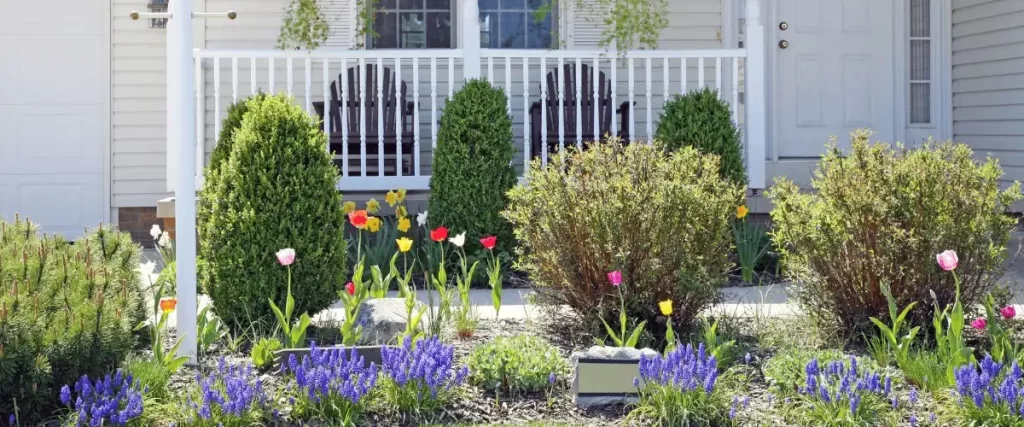
Water-wise landscaping refers to the use of design, materials, and plants that help reduce water usage in the garden. This approach is essential for homeowners who live in areas where water scarcity is a concern. The core principle of water-wise landscaping is to minimize the need for irrigation while maximizing the beauty and utility of your yard.
How Water-Wise Landscaping Works
The foundation of water-wise landscaping involves selecting drought-tolerant plants, using efficient irrigation methods, improving soil quality, and reducing lawn area. These strategies ensure that your yard requires less water, yet remains visually appealing year-round.
Here’s how you can implement water-wise landscaping in your yard:
1. Choose Drought-Tolerant Plants
One of the most important elements of water-wise landscaping is selecting plants that are naturally adapted to dry conditions. In places like ours, where droughts can be frequent, choosing native and drought-tolerant plants reduces the need for regular watering.
Native Plants
Native plants are well-suited to your local climate and require little maintenance once established. They have evolved to thrive with the natural weather patterns of your area, meaning they need less water, fertilizer, and care than non-native species.
Consider adding plants like California poppies, sagebrush, lavender, or succulents like agave and yucca. These plants are beautiful and incredibly efficient when it comes to water usage.
Xeriscaping Plants
Xeriscaping is a landscaping method that uses plants specifically chosen for their low water needs. Common xeriscape plants include succulents, ornamental grasses, and various drought-tolerant shrubs and trees. Not only do these plants look stunning, but they help you save on water and reduce maintenance in the long term.
2. Design Your Landscape Thoughtfully
A smart landscape design can make a world of difference when it comes to water conservation. By grouping plants with similar water needs together and incorporating hardscaping elements like rocks and mulch, you can reduce the need for excessive watering.
Smart Plant Grouping
When designing your landscape, make sure to group plants with similar water needs together. This will allow you to water efficiently, avoiding overwatering or underwatering specific areas.
Hardscaping
Hardscaping elements, such as rocks, pathways, and gravel, not only enhance the beauty of your garden but also reduce water loss through evaporation. They can also serve as natural barriers that keep water in the soil where it’s needed most.
3. Efficient Irrigation Systems

Traditional irrigation systems often waste a significant amount of water, either through overwatering or water runoff. Switching to more efficient irrigation methods can significantly cut down on water usage.
Drip Irrigation
Drip irrigation is one of the most efficient methods for watering your garden. It delivers water directly to the roots of plants through a network of hoses and emitters, reducing water wastage and evaporation. Drip systems are highly customizable and can be adjusted based on the needs of specific plants.
Smart Irrigation Systems
Smart irrigation systems take water conservation a step further by automatically adjusting watering schedules based on weather conditions. These systems use weather data to determine how much water your plants need, ensuring that your garden gets the right amount of moisture at the right time.
4. Improve Your Soil Quality
Healthy soil is crucial for water-wise landscaping. The better your soil, the more water it can retain, meaning you won’t have to water your plants as often.
Add Organic Matter
Organic matter like compost improves soil structure, helping it retain moisture more effectively. It also increases nutrient levels in the soil, benefiting your plants.
Mulching
Mulching is another great way to conserve water in your garden. A thick layer of mulch around your plants helps retain moisture, reduces weed growth, and maintains a more consistent soil temperature.
5. Reduce Lawn Areas
While a lush, green lawn can be a beautiful addition to your yard, it is one of the most water-hungry features of a landscape. If you live in an area with limited water, consider reducing the size of your lawn and replacing it with more water-efficient plants, ground covers, or even hardscaping elements like patios and pathways.
Alternatives to Grass Lawns
Consider replacing some or all of your lawn with drought-tolerant ground covers, ornamental grasses, or succulents. These alternatives require little to no water once established and can create a stunning, low-maintenance landscape.
The Benefits of Water-Wise Landscaping
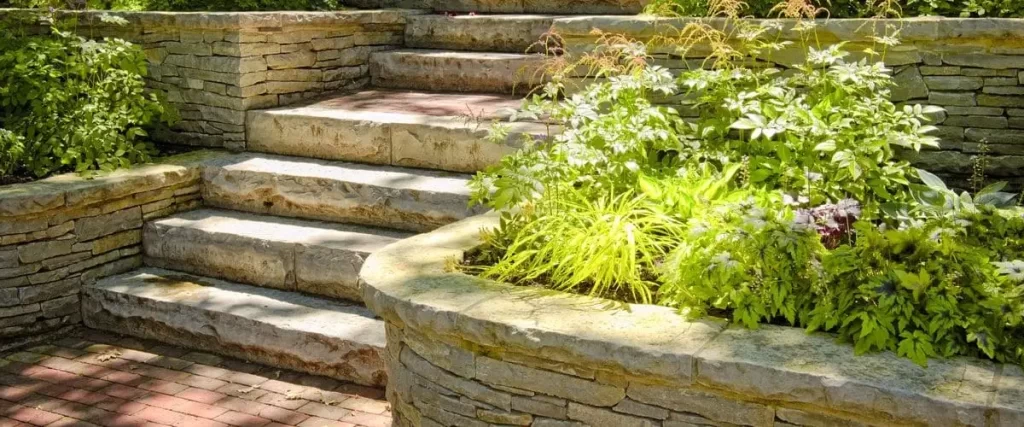
The benefits of adopting water-wise landscaping go beyond just saving water – they offer numerous environmental and financial advantages. Here’s why it’s worth considering:
- Reduced Water Bills: By using less water, you can significantly reduce your monthly water bills.
- Lower Maintenance Costs: Water-efficient plants and smart irrigation systems require less maintenance over time.
- Increased Property Value: Well-designed, drought-resistant landscapes are attractive to potential buyers and can increase the value of your home.
- Environmental Impact: Water-wise landscaping helps conserve precious water resources, benefiting the environment and local ecosystem.
Xeriscaping: The Key to a Drought-Resistant Yard
When it comes to creating a drought-resistant yard, xeriscaping is one of the best landscaping methods available. Xeriscaping focuses on creating a sustainable, low-water garden using plants that thrive in dry conditions. This technique has become especially popular in regions that are frequently affected by droughts, such as in the Southwest.
Crush Excavation specializes in xeriscaping, offering custom landscaping solutions that prioritize both aesthetics and sustainability. We work with homeowners like you to create beautiful, water-efficient yards that require minimal upkeep and help conserve water.
Frequently Asked Questions
1. What is the difference between xeriscaping and traditional landscaping?
Xeriscaping is a water-efficient landscaping technique that uses drought-resistant plants and minimizes the need for irrigation. Traditional landscaping, on the other hand, often relies on high-water-demand plants and regular irrigation systems.
2. How much water can I save with a water-wise landscape?
By using water-efficient landscaping methods, homeowners can reduce their water usage by up to 50% or more, depending on the design and plant choices.
3. Will my yard still look attractive with xeriscaping?
Absolutely! Xeriscaping can be both beautiful and functional. With careful plant selection and thoughtful design, you can create a vibrant, low-maintenance garden that adds value to your property.
4. Can I install a water-wise landscape on my own, or do I need a professional?
While some homeowners may choose to install a water-wise landscape themselves, working with a professional like Crush Excavation ensures that your design is optimized for your space and local climate, saving you time and effort in the long run.
The Best Manufacturers of Drought-Resistant Plants and Xeriscaping Materials
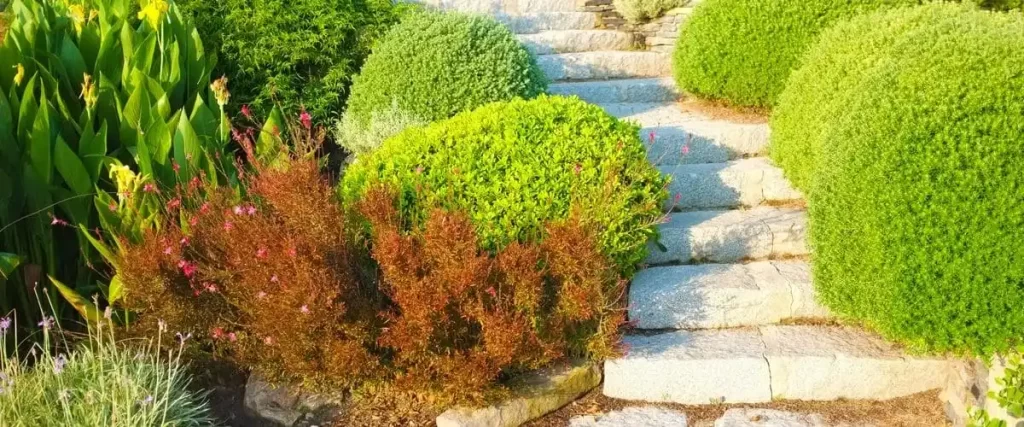
For those looking to create a beautiful water-efficient landscape, choosing the right materials and plants is key. Here are some of the top manufacturers that specialize in drought-resistant plants and xeriscaping products:
- High Country Gardens
- Specializes in water-wise, drought-tolerant plants perfect for xeriscaping and sustainable landscaping.
- Monrovia
- Offers a variety of native and drought-tolerant plants designed to thrive in dry conditions.
- David Austin Roses
- Known for their collection of English roses that are surprisingly drought-tolerant once established.
- The Home Depot
- Offers a wide range of drought-resistant plants, soil amendments, and irrigation systems ideal for xeriscaping.
- DripWorks
- A leading supplier of drip irrigation systems that help conserve water while efficiently irrigating your landscape.
Conclusion
Water-wise landscaping is a practical and effective way to reduce water consumption, save on maintenance, and create a beautiful outdoor space. With the right plants, irrigation systems, and design, you can have a stunning garden that thrives in even the most water-scarce conditions.
If you’re ready to transform your yard with xeriscaping or water-efficient landscaping, Crush Excavation is here to help. Contact us today at (720) 507-4076 for a consultation, and let’s get started on designing a sustainable, drought-resistant landscape that suits your needs.