Excavation is one of the first and most important steps in construction.
Before a building, road, or underground structure can take shape, the ground must be prepared. This preparation involves removing soil, rock, and other materials to create space for foundations, utilities, and drainage systems.
Understanding what excavation is in construction helps explain why so much time, planning, and specialized equipment is devoted to this early phase.
Excavation in Construction: Explained
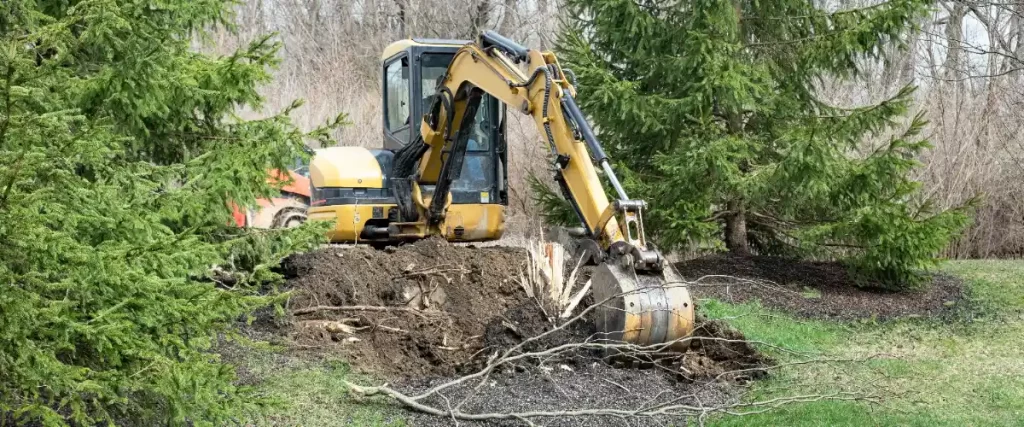
At its core, excavation involves removing materials from the ground to reach a desired depth or shape. These materials can include soil, rock, organic matter, and unwanted obstacles. The excavated areas are then prepared for laying foundations, installing utilities, or supporting other structures.
Construction excavation is not limited to digging holes. It includes trench excavation for utility lines, basement excavation for underground levels, and earth excavation for leveling or reshaping land. Each excavation job is tailored to the site conditions and the type of construction work being performed.
Why Excavation Is a Key Part of the Construction Process
Every structure depends on what lies beneath it. Soil composition, moisture levels, and existing underground utilities all influence how excavation work is performed. Proper excavation helps create a stable foundation and reduces the risk of settlement, cracking, or water intrusion later.
On construction sites, excavation also supports:
- Installing utilities such as gas lines, electrical cables, and water systems
- Creating drainage systems that protect the building
- Preparing land for road construction and transportation purposes
- Supporting underground structures like basements and tunnels
Without careful planning, excavation problems can delay a project or lead to costly repairs.
The Excavation Process From Start to Finish
The excavation process begins long before heavy machinery arrives. A site assessment is usually the first step. Engineers and contractors review plans, conduct a site survey, and identify underground utilities or other objects that may affect digging.
An excavation plan is then created. This plan outlines depths, slopes, excavation walls, and how excavated materials will be handled. Necessary permits are secured, especially for projects involving public areas or utility lines.
Once excavation begins, the process usually includes:
- Removing topsoil and organic matter
- Digging holes or trenches to specified depths
- Moving soil and other materials away from building sites
- Stabilizing excavation walls
- Preparing the base for laying foundations or installing utilities
Each stage requires attention from trained equipment operators to ensure the work is completed successfully.
7 Common Types of Excavation Used in Construction
There are several excavation types used across the construction industry. The choice depends on the project size, location, and soil conditions.
1. Topsoil Excavation
This removes the upper layer of soil, which contains roots and organic matter. Topsoil excavation is often done first and the soil may be reused later for landscaping.
2. Earth Excavation
Earth excavation involves removing soil beneath the top layer. It is commonly used for foundations, drainage systems, and general site preparation.
3. Rock Excavation
Rock excavation is required when solid rock is encountered. Heavy machinery or controlled blasting may be used, especially on major construction projects.
4. Basement Excavation
Basement excavation creates space for underground living or storage areas. This type requires careful planning to protect nearby structures and manage water flow.
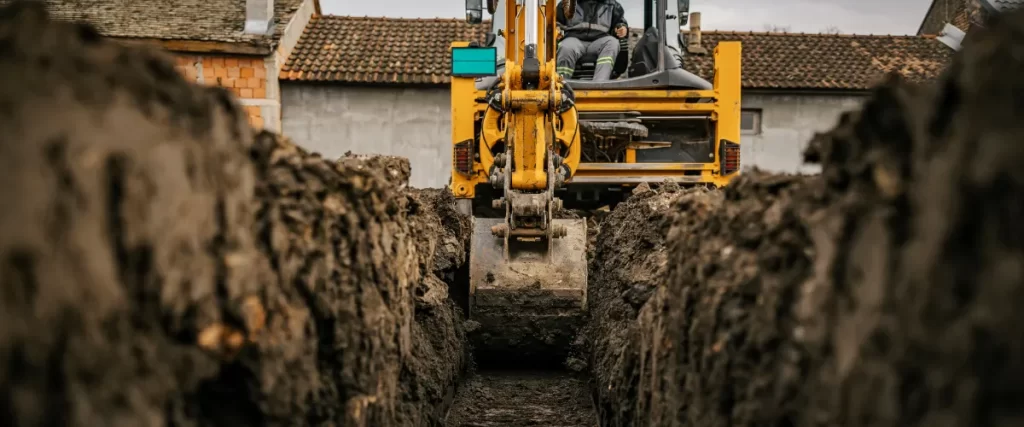
5. Trench Excavation
Trench excavation is used to dig trenches for utility lines, footing excavation, and drainage infrastructure. Precision is critical, particularly near gas lines or electrical cables.
6. Muck Excavation
Muck excavation deals with waterlogged soil. This is common in low-lying areas and requires special techniques to maintain stability.
7. Borrow Excavation
Borrow excavation involves removing materials from one site to be used as fill at another. This is often seen in large-scale construction and transportation projects.
Equipment Used for Excavation Work
Excavation relies on a combination of heavy equipment and hand tools. The type of equipment needed depends on access, depth, and soil conditions.
Common equipment includes:
- Excavators with a digging bucket mounted on a rotating platform
- Mini excavators for tight or residential construction sites
- Bulldozers for moving soil across large areas
- Backhoes for trench excavation and utility work
- Tunnel boring machines for underground structures
- Hand tools for precise work around utility lines
Heavy machinery improves efficiency, but skilled operators are what keep excavation safe and accurate.
Safety and Careful Planning During Excavation
Excavation changes the natural balance of the ground. As materials are removed, the risk of collapse or shifting increases. This is why careful planning is essential on all construction sites.
Safety measures may include sloping excavation walls, using support systems, and monitoring soil conditions. When underground utilities are present, crews work slowly to expose and protect gas lines, electrical cables, and water pipes.
Sometimes excavation can uncover artifacts or unknown materials. When this happens, work may pause until the situation is assessed.
Excavation for Installing Utilities
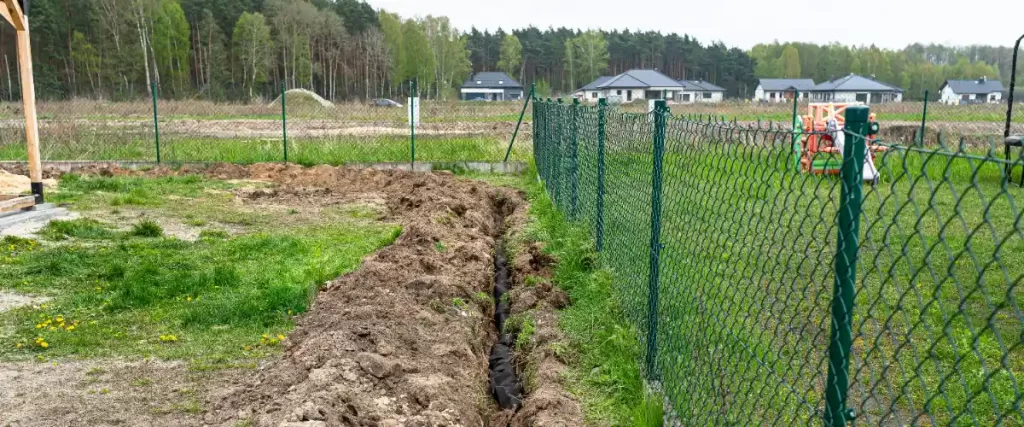
Many excavation jobs focus on installing utilities. Trenches are dug to exact specifications so pipes and conduits sit properly. This work supports:
- Water and sewer systems
- Electrical and communication lines
- Gas lines
- Drainage systems
After utilities are installed, excavated materials may be replaced and compacted. Proper backfilling helps prevent future movement of soil that could damage utility lines.
Managing Excavated Materials
Excavated materials are handled in different ways depending on their condition. Some soil may be reused on site, while unsuitable materials are transported away. Rock and other unwanted obstacles are typically removed entirely.
Managing materials efficiently helps keep construction sites organized and reduces delays during the construction process.
Final Thoughts
Understanding what excavation is in construction shows how much coordination and expertise is required before a structure is ever built. Soil composition, permits, heavy equipment, safety planning, and drainage all come together during excavation work.
For many property owners and developers, managing these details alone can be overwhelming. Working with an experienced excavation contractor can simplify the process and help avoid costly issues.
If you are planning a new construction project and want excavation handled with care and experience, it may be easier to leave it to professionals. You can call us at (720) 507-4076 or message us here to discuss your project and get started with confidence.