
If you have ever lived in a rural area or a home set back from the reach of city utilities, you probably have a septic system buried somewhere beneath your lawn.
Most of the time, it is out of sight and out of mind. You flush the toilets, run the sinks, and go about your day without a second thought. However, that quiet patch of grass is actually a sophisticated, self-contained wastewater treatment plant.
Understanding how septic systems work is the first step toward keeping your home running smoothly and protecting the land you live on.
The Journey Begins At The House
Every time water leaves your home, it starts a journey through a single sewer line. This main drainage pipe is the exit ramp for everything, including the water from your morning shower, the kitchen sink where you washed the dishes, and the laundry machine.
This household waste is a mix of liquid waste and solid waste, and it all flows by gravity or a pump toward the buried tank.
A typical septic system is designed to handle this flow 24 hours a day. It is a brilliant piece of engineering that relies on simple physics and natural processes. Instead of sending sewage miles away to a municipal sewer facility, your property handles the entire treatment process on-site.
This is vital for human and environmental health, as it ensures that the water returning to the ground is safe and clean.
The Anatomy Of The Septic Tank
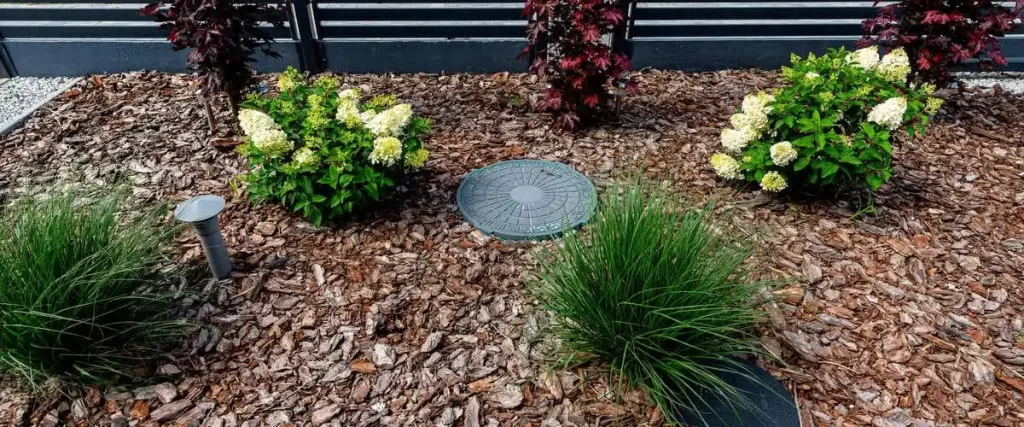
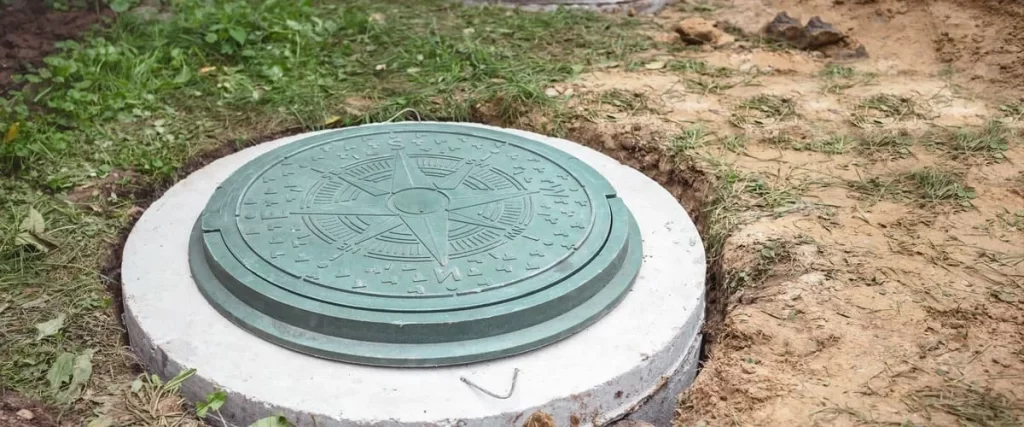
The heart of the setup is the septic tank. Most tanks are large, rectangular, or cylindrical containers made of concrete, fiberglass, or polyethylene. They are buried deep enough to avoid freezing but remain accessible through an access port or manhole cover at the ground level.
If you were to look inside a typical septic tank, you would see that it is not just a hollow box.
Many modern designs are chambers divided by a half wall or baffle. This is often called a two chambers system. When the raw sewage enters the first chamber, the flow slows down significantly. This stillness is exactly what the system needs to begin the separation process.
Inside the tank, three layers naturally form:
- The Scum Layer: This is the top layer. It consists of anything lighter than water, such as grease, oils, and fats.
- The Sludge Layer: The heavy solids sink to the bottom. This organic matter is eventually broken down by bacteria, but the heavier remnants stay there until a septic professional comes to pump the tank.
- The Effluent: This is the middle layer of relatively clear liquid wastewater. This is the only part of the waste that should ever leave the tank.
The Silent Work Of Anaerobic Bacteria
While the tank is a physical filter, it is also a biological reactor.
In the dark, oxygen-poor environment of the first chamber and second chamber, anaerobic bacteria go to work. These are beneficial bacteria that thrive without oxygen. They eat the organic matter in the sludge and scum, breaking it down into gases and liquid.
It’s a delicate ecosystem. If you understand how these bacteria work, you realize that the chemicals you pour down the drain matter. Harsh cleaners or bleach can kill the bacteria, stopping the digestion process and causing the tank to fill up with solids much faster than it should.
Moving To The Distribution Box
Once the liquid waste reaches a certain level, it flows through a T-shaped outlet pipe or a baffle into the second chamber or directly out of the tank.
The goal is to ensure that no solids or grease escape. If those solids make it out, they can clog the rest of the system, which is very expensive to fix.
From the tank, the effluent travels to a distribution box. This small component acts like a traffic cop. It ensures that the liquid is sent evenly to the various sections of the leach field.
If one part of the field gets too much water, the soil can become saturated, leading to puddles on the ground surface or even backups into the house.
The Leach Field And The Soil
The leach field, also known as a drain field, is where the final stage of treatment happens. This area consists of a series of perforated pipes laid in trenches filled with gravel or sand. These pipes are buried beneath the ground level but shallow enough that oxygen can still reach the soil.
As the wastewater percolates through the holes in the pipes, it disperses wastewater into the gravel and then into the soil.
This is where the real cleaning happens. The soil acts as a natural filter. As the liquid moves through the earth, harmful bacteria, viruses, and nutrients are filtered out or neutralized by the organisms living in the dirt.
By the time the water reaches the groundwater or nearby streams, it has been purified enough to protect drinking water supplies and the surrounding environment.
Not All Septic Systems Are The Same
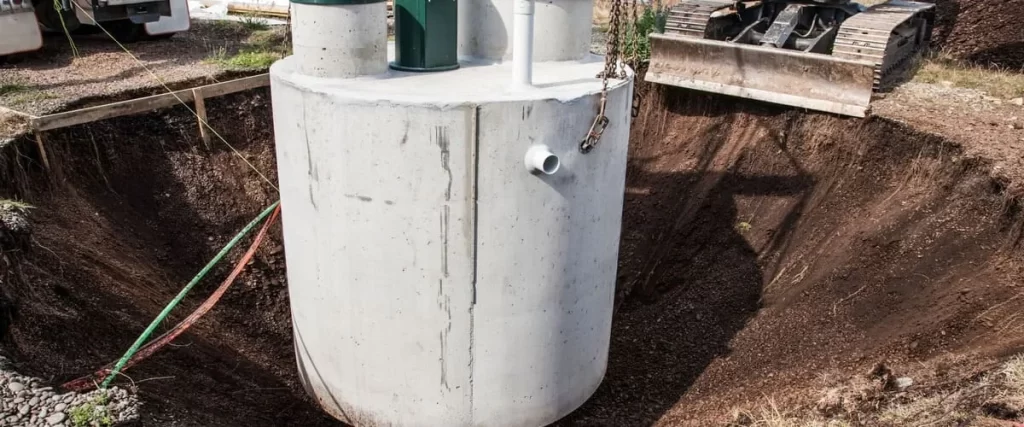
While the gravity-fed system is the most common, not all septic systems follow this exact blueprint. Depending on the type of soil on your property or the height of the water table, a standard setup might not work.
Some properties require advanced septic systems. For example, aerobic treatment units act like a miniature version of a city sewage plant. They use an air pump to inject oxygen into the tank, which allows aerobic bacteria to grow. These bacteria are much faster and more efficient at breaking down waste than the anaerobic kind.
Other homes might use a sand filter system or a mound system, where the leach field is built up above the natural ground surface because the soil underneath doesn’t drain well enough.
Protecting The System From Household Waste
The longevity of your plumbing and your tank depends heavily on what you flush. Septic systems are only meant for human waste and toilet paper. That’s it.
Items like paper towels, feminine hygiene products, and “flushable” wipes do not break down in the tank. They simply sit there, taking up space and potentially blocking the pipes.
Grease is another major enemy. If you pour bacon grease or cooking oil down the sinks, it will eventually cool and solidify, contributing to a thick scum layer that can overflow into the leach field.
Similarly, heavy use of a garbage disposal can overload the tank with too many solids, forcing you to call for maintenance more often than necessary.
Signs Of Trouble
If you understand the signs of a failing system, you can catch problems before they become a disaster.
You might notice that the grass over the leach field is suddenly much greener and faster-growing than the rest of the yard. This usually means the soil is getting too much “fertilizer” because the tank is overflowing. You might also notice:
- Slow-draining toilets or gurgling sounds in the plumbing.
- A foul odor of sewage near the tank or the drain field.
- Wet spots or standing water on the ground, even when it hasn’t rained.
- Backups of sewage into the lowest drains of the house.
Environmental health is at risk when these things happen. A failing system can leak harmful bacteria into the local ecosystem, which is why regular inspections by a septic professional are so important.
The Importance Of Regular Maintenance
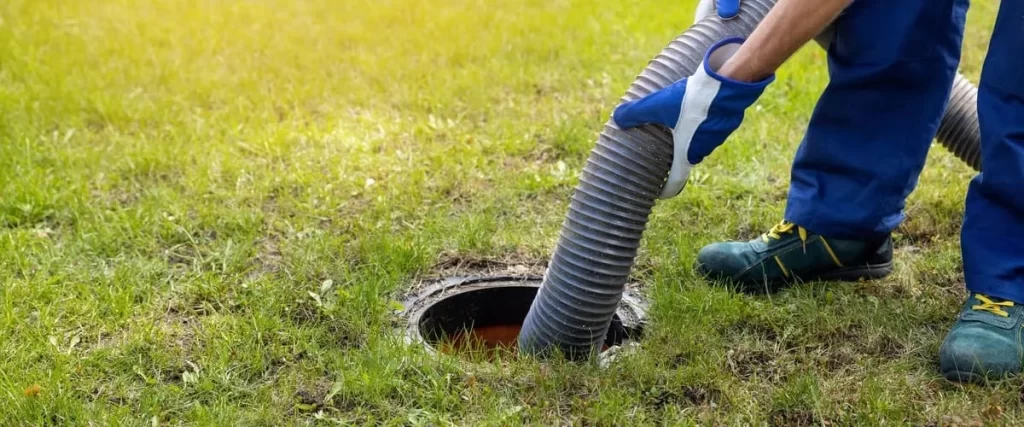
Most experts recommend having your tank inspected every three years. Depending on the size of your household, the tank should be pumped every three to five years to remove the accumulated sludge.
If the sludge layer gets too high, there is no room for the liquid to settle. The solids will be pushed out into the perforated pipes of the leach field, plugging the holes and effectively killing the system.
Replacing a leach field is a massive undertaking that involves heavy machinery and significant cost, so regular pumping is a small price to pay for a functioning system.
Why It Might Be Easier To Call The Pros
There is a lot of science happening in your backyard. From the balance of bacteria to the way the wastewater percolates through the soil, a septic system is a complex machine made of biology and concrete.
While it is good to know how these things work, the reality of maintaining, repairing, or installing a septic system is a complicated job. Sometimes, the best way to handle a plumbing or waste issue is to leave it to the people who spend every day in the trenches.
If you are worried about your current setup or need a new septic tank installation that will last for decades, we can take that weight off your shoulders. At Crush Excavation, we handle the grit and the grime so you can just enjoy your home. For any help with your septic system needs, call us at [cvg tel] or message us here.