
If you’re thinking about installing your own septic tank to save money, you need to know what you’re getting into. Installing a septic system isn’t like replacing a kitchen faucet. This is a massive project that involves heavy equipment, precise engineering, and a whole lot of permits.
But if you’ve got the skills and determination, understanding how to install a septic tank can at least help you know what to expect, even if you end up hiring professionals.
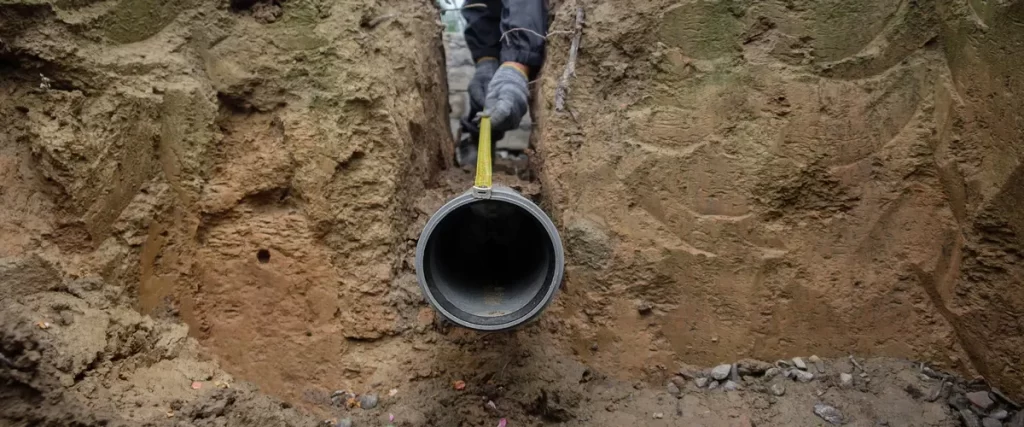
1. Getting Started With Permits and Testing
Here’s where most DIY dreams die. Your county health department doesn’t care how many YouTube videos you watched. They want to see professional soil testing, engineered plans, and proof that you know what you’re doing.
The perc test measures how fast water drains through your soil. Sandy soil drains fast, and clay holds water. This determines all aspects of your system’s size and design. Most areas require a licensed professional to conduct this test, and results typically cost between $500 and $1,500.
You’ll also need a site survey showing property lines, setbacks from wells, and distance to surface water. The Environmental Protection Agency has guidelines that outline minimum distances, though your local code might be stricter. Don’t skip this step.
The permit process varies wildly depending on where you live. Here in Colorado, rural counties like Park or Lake might have simpler requirements. Meanwhile, Front Range areas and mountain communities often require detailed engineering plans that can only be submitted by licensed professionals. Call your local health department before you buy anything.
2. Choosing Your Septic Tank and System Type
Concrete tanks last forever, but they’re heavy and expensive to transport. Plastic tanks are lighter and easier to handle with a mini excavator, but they can float if groundwater levels are high. Fiberglass splits the difference.
The tank’s size depends on your house’s bedroom count, not square footage, because bedrooms indicate how many people live there.
A typical three-bedroom house needs a 1,000-gallon tank at a minimum. Four bedrooms? You’re looking at 1,250 to 1,500 gallons. Go bigger if you can afford it.
Most systems rely on gravity to move wastewater from your house to the tank, then from the tank to the drain field. Simple and reliable.
But if your lot has unusual topography or you’re dealing with a high water table, you might need alternative systems with an effluent pump and pressure tank. These cost more to install and maintain.
3. Digging and Installing the Tank
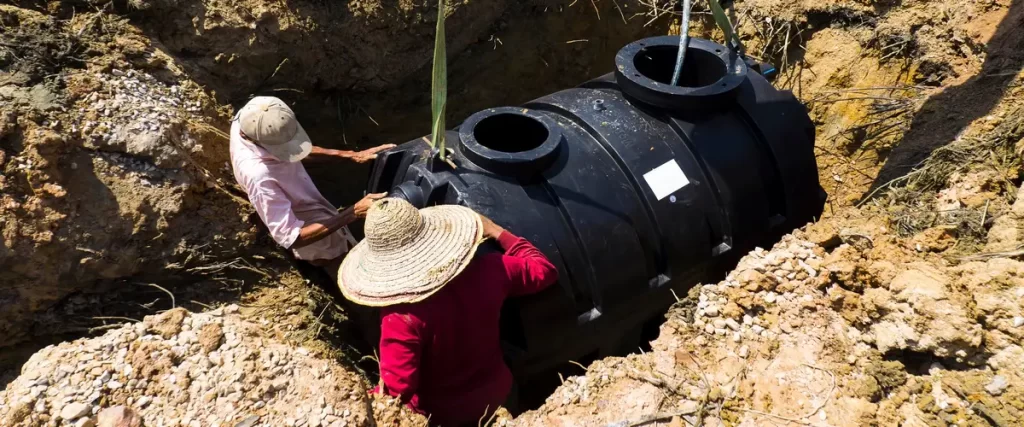
This is where you realize why professionals charge so much. You’re moving tons of dirt and placing a massive concrete or plastic tank precisely where it needs to go.
First, mark your exact location based on your approved plan. Then dig a hole that’s at least 6 inches wider than your tank on all sides. The bottom must be level and compacted, typically with a sand base to prevent settlement. Get this wrong and your tank shifts, pipes crack, and you’re starting over.
When placing the tank, the inlet pipe from your house needs to be higher than the outlet pipe to the drain field (usually about 2 inches of drop). Your plumbing connections must be watertight, as groundwater infiltration can overload your system and cause it to fail.
Some areas require a pump chamber if you’re using an effluent pump system. This adds another tank to the setup where the pump lifts wastewater to the drain field or treatment plant, depending on your system design.
4. Building the Drain Field
The leach field (also called the drainage field or the drain field) is where the magic happens. Wastewater flows out of your tank and gets absorbed into the soil. Mess this up, and you’ve got a sewage backup in your yard.
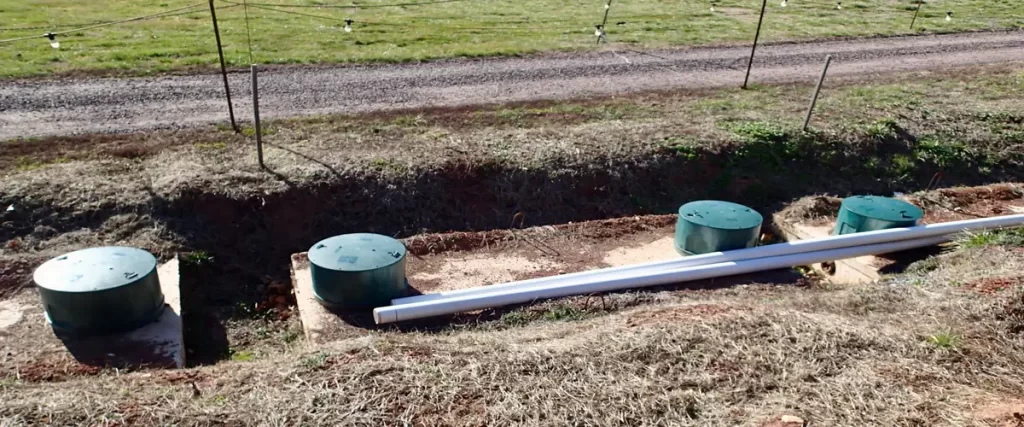
You’ll dig trenches according to your approved plan. Most gravity systems use perforated pipe laid in gravel-filled trenches. The gravel creates space for effluent to disperse while keeping the pipe from crushing. Each trench must be level, not sloped, to ensure water is distributed evenly.
Lateral lines connect to a distribution box that distributes flow to multiple trenches. Some designs skip the box and use a manifold system instead. Either way, you’re trying to spread wastewater across enough soil surface area for proper absorption and treatment.
Cover your perforated pipe with additional gravel, then a layer of landscape fabric to prevent soil from clogging the pipe. Then comes the dirt, carefully compacted in layers. Don’t just dump fill and pack it down with heavy equipment, or you’ll crush your pipes.
5. Inspection and Final Steps
Your local authorities will inspect at multiple stages. They’ll check the tank placement, verify proper connections, examine the drain field before it’s covered, and conduct a final inspection once everything is complete.
If your system fails inspection, you must fix it before it is approved. This might mean digging everything back up. Breaking ground without approved plans or skipping inspections can result in fines and mandatory removal of your entire system.
After approval, maintain your system properly. Pump the tank every 3 to 5 years, watch what goes down your drains, and don’t drive heavy equipment over the drain field. Your county health dept can provide maintenance guidelines specific to your system type.
Alternative Septic Systems for Difficult Sites
Not everyone gets to install a simple gravity system. High water tables, poor soil, or small lots might require alternative systems that cost significantly more.
Mound systems build up the drain field above ground level when the soil is too shallow or when drainage is poor. Aerobic treatment units add oxygen to break down waste more effectively before discharge. Sand filter systems literally filter effluent through engineered sand beds.
These systems commonly require electricity to run pumps or aerators. Plan for higher installation costs and ongoing maintenance expenses. They also require regular inspection and servicing, not just when something goes wrong.
Frequently Asked Questions
Can I install my own septic system to save money?
Technically, yes, in some areas. But you’ll need permits, professional soil testing, engineered plans, and the right equipment. It depends on your local building codes and whether they permit DIY installations by homeowners
How deep should a septic tank be installed?
Most tanks are installed 12 to 36 inches below grade, depending on your inlet pipe depth and frost line requirements. The top of the tank needs access for pumping, so don’t bury it too deep.
What size septic tank do I need for a 4-bedroom house?
A four-bedroom house typically requires a 1,250 to 1,500-gallon tank, minimum. Check your local code since some areas have different requirements based on daily water usage estimates.
How long does septic tank installation take?
Professional installation usually takes 3 to 5 days once permits are approved, though weather and site conditions can extend this. The permit process itself can take several weeks to months.
Let the Professionals Handle It
If you’re thinking there’s got to be an easier way, there is. Professional septic installation companies handle permits, testing, equipment, and inspections every day. We know the local code, maintain relationships with the health department, and carry insurance in case something goes wrong.
At Crush Excavation, we’ve installed hundreds of septic systems throughout the area. Our crews work efficiently, keep your property clean, and make sure your system passes inspection the first time.
Ready to move forward with your septic installation? Call us at (720) 507-4076 or message us here to schedule a free site evaluation and quote.